
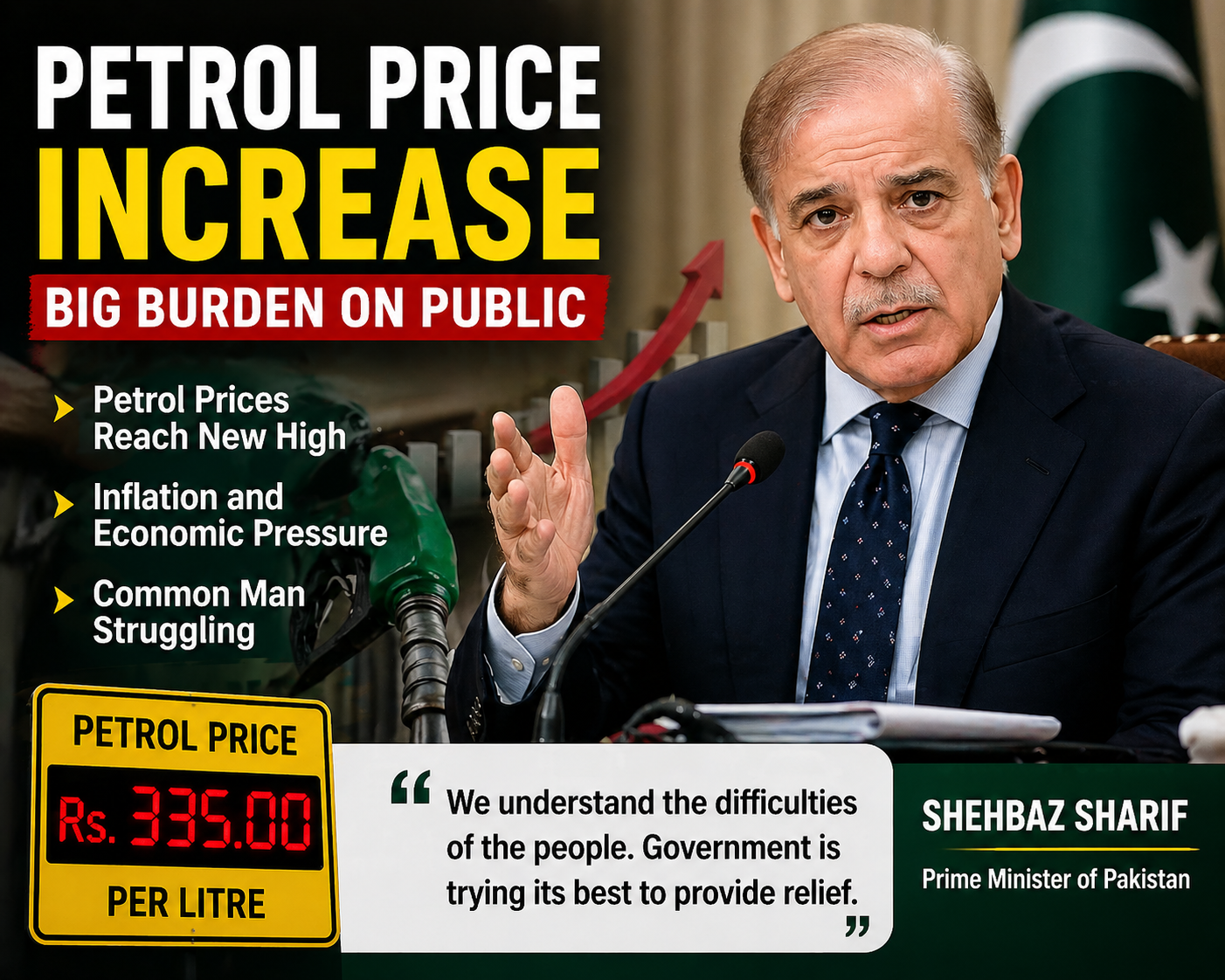
In 2026, the rising petrol prices in Pakistan have become one of the most critical economic challenges. Recently, petrol prices have increased by Rs. 6.51 per litre, while diesel prices have surged by Rs. 19.39 per litre, adding more pressure on the public.
Main Reasons Behind Petrol Price Hike (2026)
One of the major reasons is the fluctuation in global oil prices. Pakistan heavily depends on imported fuel, so any increase internationally immediately impacts local prices.
Another key factor in 2026 is the depreciation of the Pakistani rupee against the US dollar. A weaker currency makes fuel imports more expensive.
Additionally, government taxes, petroleum levy, and IMF-related economic policies have contributed significantly to the increase in petrol and diesel prices.
Impact on the Public
The impact on the public in 2026 is more severe than ever. Transportation costs have increased sharply, especially after the recent hike of Rs. 6.51 in petrol and Rs. 19.39 in diesel.
Prices of food and essential items have also gone up due to higher delivery and logistics costs. Middle-class and low-income families are struggling the most.
Impact on Businesses
Small businesses, transporters, and delivery services are facing serious challenges. Diesel price increase of Rs. 19.39 has especially affected goods transport, making everything more expensive.
Inflation Crisis
Petrol and diesel price hikes are directly fueling inflation in Pakistan. Electricity costs, production costs, and rent are increasing, creating a chain reaction across the economy.
Possible Solutions
To control the situation, the government needs to:
- Reduce fuel taxes
- Provide subsidies for essential sectors
- Promote electric vehicles
- Improve public transport
Final Thought (2026)
In 2026, rising petrol and diesel prices are no longer just economic issues—they are a major national concern. With continuous increases like Rs. 6.51 in petrol and Rs. 19.39 in diesel, the burden on the common citizen is becoming unbearable. Without strong reforms and long-term planning, the economic pressure will only continue to grow.