
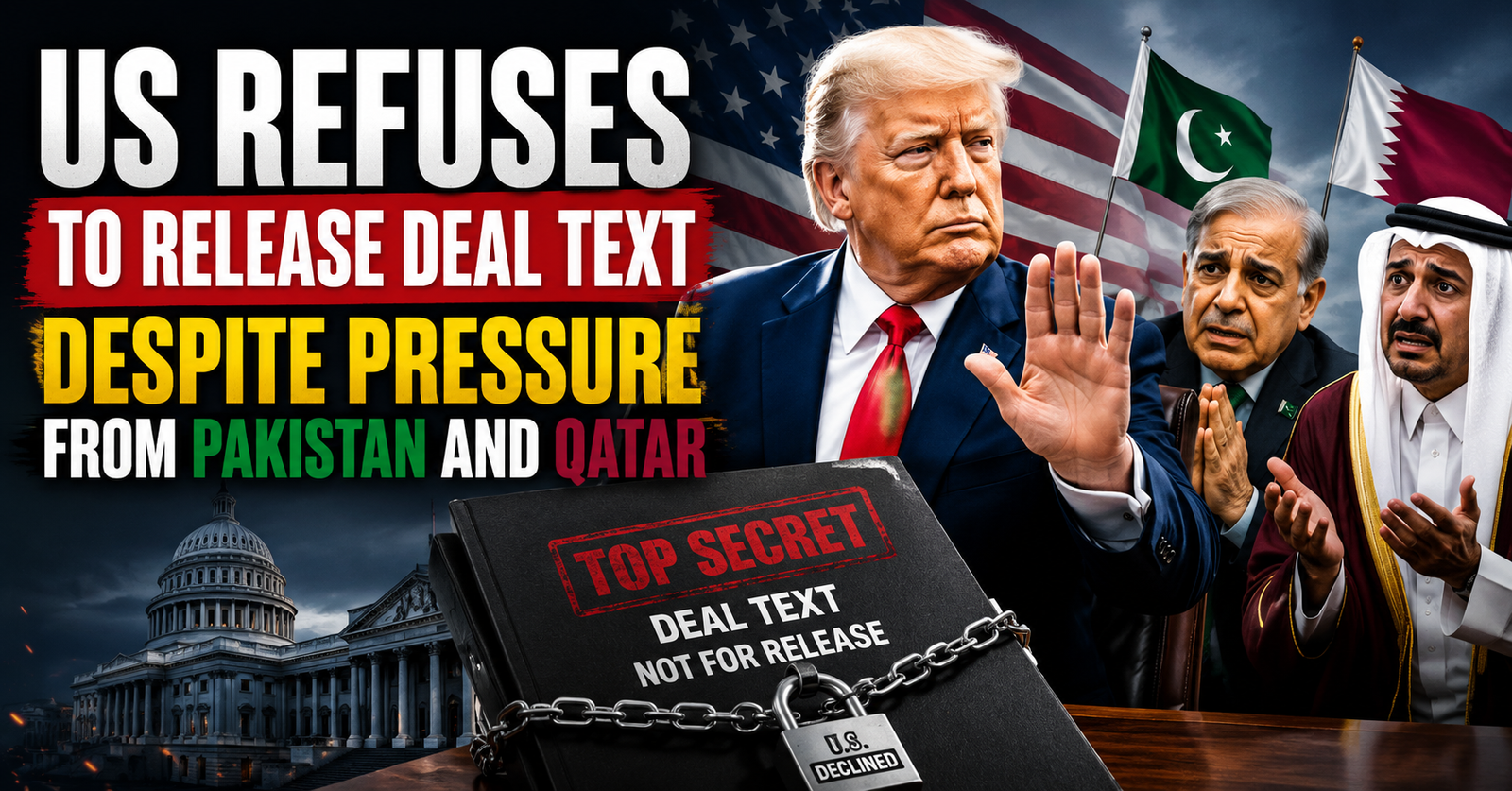
WASHINGTON, June 17 — The United States has turned down requests from Pakistan and Qatar to make public the full text of a new agreement.
Both countries want to see the details. Officials in Islamabad and Doha say the deal touches on security and regional issues that matter to them. But Washington says it won’t release the document for now.
A State Department official told reporters Tuesday that parts of the agreement are “sensitive” and putting it out now could mess up talks that are still underway. “We get why they’re asking,” the official said. “But the text will stay private until we’re ready.”
Pakistan’s foreign office has been pushing for transparency. Their point is simple: if the deal affects border security and counterterrorism work, then the public and parliament should know what’s inside. Qatar, which often plays mediator in the region, asked for the same thing. Without the actual wording, they say it’s hard to plan their next moves.
The US is playing it safe. Officials say the agreement covers things like intelligence sharing and military logistics. That kind of info usually stays classified until all sides sign off. Washington has done this before with other defense deals — release a short summary first, save the full text for later.
A former US diplomat who worked on South Asia said this isn’t new. “Countries hold their cards close until negotiations are done. But I understand why Pakistan and Qatar are frustrated. It’s tough to work off briefings when you want to read the actual document.”
For now, Islamabad and Doha will have to rely on closed-door updates from US officials. Both are expected to bring it up again in their next meetings with Washington.
The deal is real. Everyone knows it exists. But the exact wording is still locked up in the US.
Final Thought
Look, at the end of the day this comes down to trust. Pakistan and Qatar want clarity because the deal affects them directly. The US wants secrecy to protect ongoing talks. Both have a point. But partners can’t really move forward if one side is always working off summaries instead of the real text. Until Washington decides to open the file, all we’ll get is guesswork and closed-door briefings. And in diplomacy, guesswork rarely builds confidence.